

• About Us
  • Privacy Policy
  • Cookie Policy
  • Contact Us
Sunday, August 16, 2026
  • Pets
  • Mixed Dog Breeds
  • Cat Breeds
  • Food
  • Fitness
  • Pet Care
    • Training
    • Health
  • Reviews
    • List
  • Shop
  • More
    • Pet Names
      • Boy Cat Names
      • Female Cat Names
      • Horse Names
      • Bird Names
    • Coupons
    • Infographics
    • Video
No Result
View All Result
  • Pets
  • Mixed Dog Breeds
  • Cat Breeds
  • Food
  • Fitness
  • Pet Care
    • Training
    • Health
  • Reviews
    • List
  • Shop
  • More
    • Pet Names
      • Boy Cat Names
      • Female Cat Names
      • Horse Names
      • Bird Names
    • Coupons
    • Infographics
    • Video
No Result
View All Result
Pet Rescue Blog
No Result
View All Result

Atypical Myopathy in Horses

Julia Henriques by Julia Henriques
July 18, 2026
in Horse
Reading Time: 3 mins read
0
Atypical myopathy in horses
Share on PinterestShare on Twitter

Table of Contents

Toggle
  • Hypothesis about the cause of atypical myopathy
  • Atypical Myopathy in Horses Symptoms
  • Prognosis and Therapy
  • Preventing your horse from developing atypical myopathy

Atypical Myopathy is a deadly muscle disorder that only occurs in horses that are left in a pasture day and night. Science is currently still puzzled as to the cause of this condition.

Hypothesis about the cause of atypical myopathy

dr. Cornelie Westerman has concluded from research that horses with atypical myopathy have an acute disturbance in the fat metabolism in the muscles, which is likely to cause the disease. However, it is not yet known for sure what causes this disturbance. There is speculation about a toxin that occurs in the grass in spring and autumn at temperatures between 0 and 8 degrees.
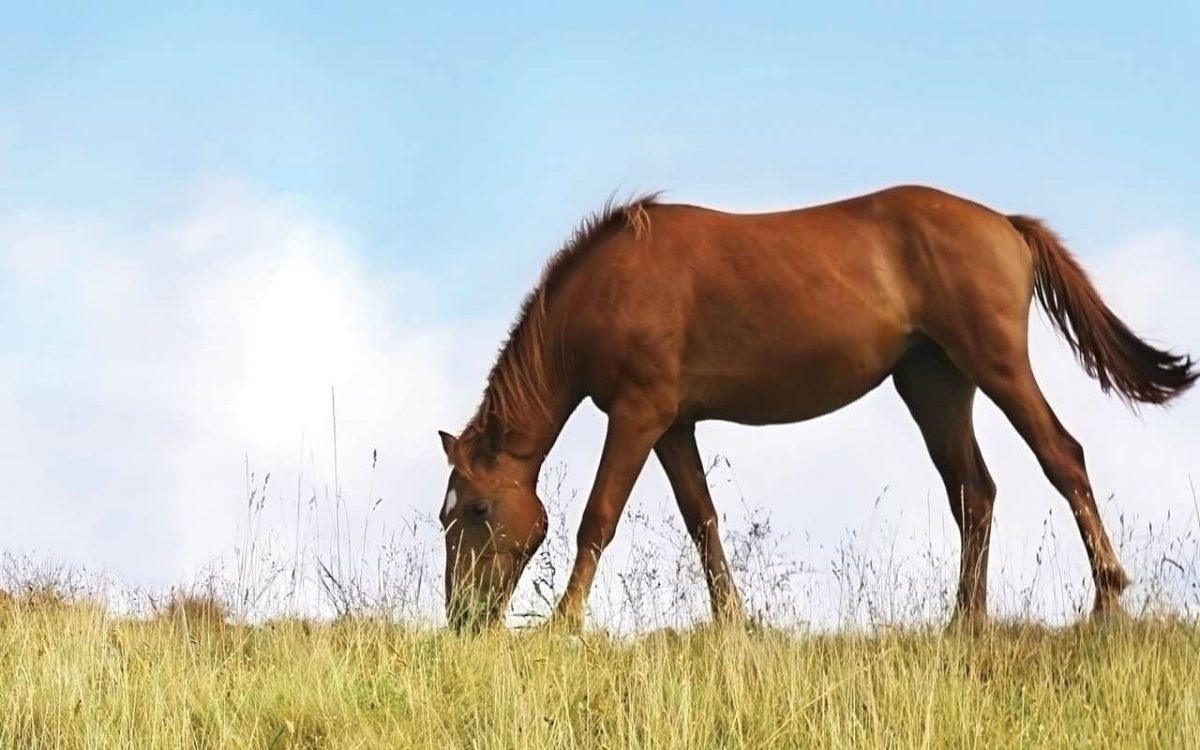
Atypical myopathy in horses
Atypical Myopathy in Horses

Atypical Myopathy in Horses Symptoms

  • Sluggishness, little attention to the environment
  • Decreased appetite
  • Colic Symptoms
  • Muscle vibrations
  • Red or purple mucous membranes (in a later stage)
  • Dark-colored urine (later stage)
  • Inability to get up (later stage)

The symptoms of this disease are strange. A horse that appears to be perfectly healthy can die from atypical myopathy within 24 hours. The similarity between all horses with atypical myopathy is that they all had access to grass day and night. In general, almost all cases occur in the fall, although there have been a few cases in the spring as well.

The affected horse appears drowsy and stiff and falls through his legs after a few hours, everything points to an acute muscle problem. Atypical myopathy is not contagious, although it can happen that several horses standing in one pasture are affected.

Reading Suggestion: 6 Best Horse Clippers For Body Clipping

The diagnosis can be made on the basis of the clinical signs that the horse shows. Blood can also be taken to make a diagnosis, in which the values ​​of the muscle enzymes are then examined.
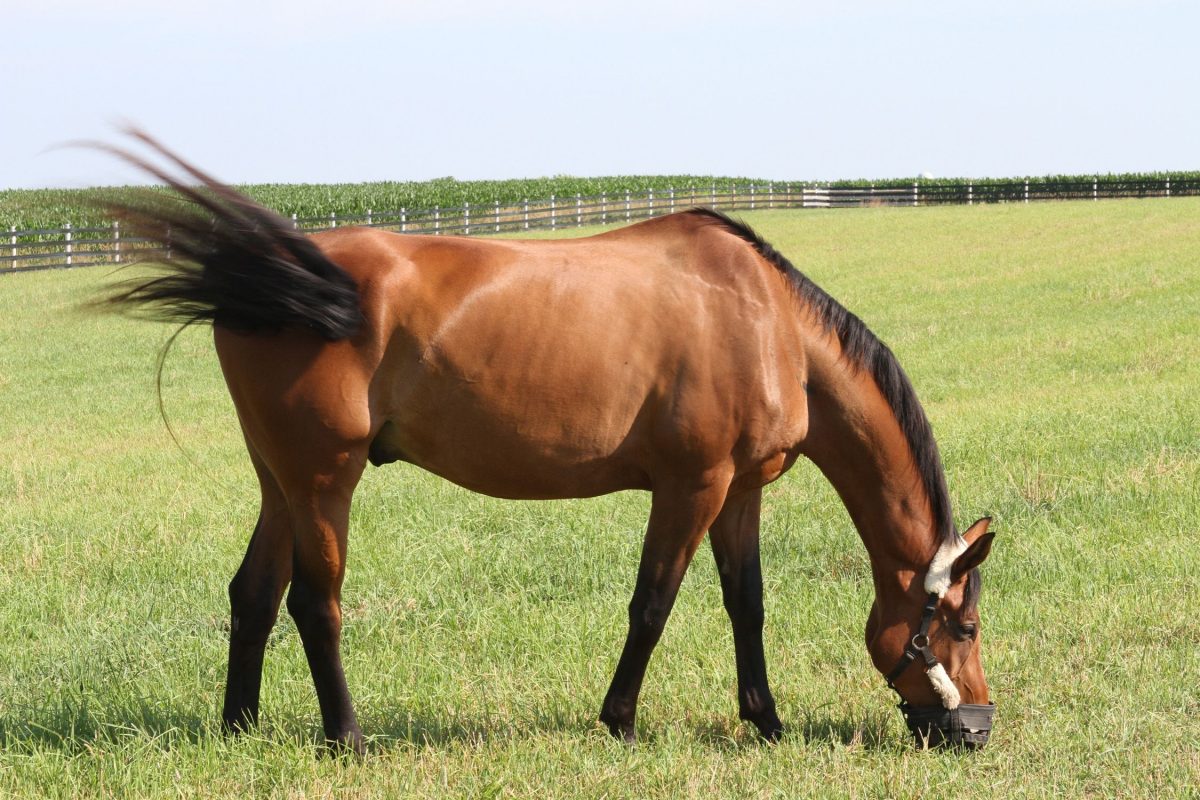
Atypical myopathy in horses
Atypical Myopathy in Horses

Prognosis and Therapy

The mortality from atypical myopathy is extremely high, with 89% of affected horses dying. Atypical myopathy causes a lot of damage to muscle cells, including the cells that keep the respiratory muscles working. If the horse has not been put to sleep by the vet before, he will eventually suffocate.

If there seems to be any hope for the affected horse, it should be taken to a clinic as soon as possible. However, transport is almost impossible because this only makes the damage to the muscles worse. The horse will therefore have to be treated in a stable as close as possible.

Reading suggestions; 500 Horse Names For Male and Female Horse Names

There are no medicines for atypical myopathy, one can only treat the symptoms. The horse will be given painkillers and possibly a catheter inserted if he is unable to urinate. The horse’s fat-burning is disrupted, so the horse must eat carbohydrates so that he can use them to keep his body going.

Preventing your horse from developing atypical myopathy

It is never entirely possible to prevent your horse from being affected, but it never hurts to observe the following prevention measures.

  • Offer horses that are on the pasture day and night a shelter in bad weather.
  • Make sure that no mushrooms, acorns, or the like grow/lie in the meadow.
  • Provide the horse with good quality roughage and concentrates and only give him tap water to drink.
  • Do not feed hay in a damp environment.
  • Deworm and vaccinate on time.
Tags: BackHorse Diseases
Julia Henriques

Julia Henriques

Julia Henriques, a pet blogger with 5 years of experience, retired from a 35-year banking career to become the editor of the Pet Rescue Blog in 2019. She's passionate about her pet dog Joy, whom she's had since 2016, and now shares her expertise on pet care and natural healthcare options. Julia resides in Wolverhampton with her partner Marc and their rescued Samoyed, Tarka.

Related Posts

horses
Horse

Keep your horses healthy and Protect flys insects in the summer

52
Sweet Feed for Horses
Horse

Sweet Feed for Horses 101: A Beginner’s Guide to Better Nutrition!

53
stable
Horse

Everything About The Stable Of Your Horse

55
Next Post
Horse Insurance

Get Insurance for Your Pet Horse: Here Is What You Need to Know

Horse Care Tips For Beginners

Choosing the Right Stable Staples - Top Stable Supplies for Your Horses

Leave a Reply Cancel reply

Your email address will not be published. Required fields are marked *

I agree to the Terms & Conditions and Privacy Policy.

ADVERTISEMENT

Categories

  • Behavior (15)
  • Birds (30)
  • Cat Breeds (18)
  • Cat Names (2)
  • Cats (116)
  • CBD (20)
  • Chicken (24)
  • Dog Breed (48)
  • Dog Names (5)
  • Dog Park (3)
  • Dogs (307)
  • Events (3)
  • Facts (5)
  • Featured (60)
  • Fish (24)
  • Fitness (6)
  • Food (44)
  • Goat (3)
  • Grooming (15)
  • Hamster (2)
  • Health (100)
  • Horse (42)
  • Infographics (2)
  • Insects (10)
  • Insurance (10)
  • List (3)
  • Mixed Dog Breeds (14)
  • NEWS (6)
  • Our Pet (5)
  • Pet Accessories (5)
  • Pet Adoption (3)
  • Pet Names (4)
  • Pets (210)
  • Rabbits (21)
  • Reptile (9)
  • Reviews (21)
  • Rodents (9)
  • Senior Dog (1)
  • Training (31)
  • Travel (5)
  • Vets (6)
  • Video (8)
  • Wild (5)
Facebook Twitter Pinterest Instagram LinkedIn Youtube
Pet Rescue Blog Logo

Pet Rescue Blog is a pet blog dedicated to educating and inspiring readers about pet adoption and rescue. It features a variety of content, including heartwarming adoption stories, expert advice on pet care, and news about animal welfare issues.

Follow Us on Social Media

Categories

  • Behavior
  • Birds
  • Cat Breeds
  • Cat Names
  • Cats
  • CBD
  • Chicken
  • Dog Breed
  • Dog Names
  • Dog Park
  • Dogs
  • Events
  • Facts
  • Featured
  • Fish
  • Fitness
  • Food
  • Goat
  • Grooming
  • Hamster
  • Health
  • Horse
  • Infographics
  • Insects
  • Insurance
  • List
  • Mixed Dog Breeds
  • NEWS
  • Our Pet
  • Pet Accessories
  • Pet Adoption
  • Pet Names
  • Pets
  • Rabbits
  • Reptile
  • Reviews
  • Rodents
  • Senior Dog
  • Training
  • Travel
  • Vets
  • Video
  • Wild

Navigation

  • About Us
  • Contact Us
  • Disclaimer
  • Adopt a Pet
  • Privacy Policy
  • Cookie Policy
  • HTML Sitemap

© 2019 - 26 Pet Rescue Blog - Your Source for Pet Rescue Stories and Solutions - Privacy Policy | Cookie Policy

No Result
View All Result
  • Pets
  • Mixed Dog Breeds
  • Cat Breeds
  • Food
  • Fitness
  • Pet Care
    • Training
    • Health
  • Reviews
    • List
  • Shop
  • More
    • Pet Names
      • Boy Cat Names
      • Female Cat Names
      • Horse Names
      • Bird Names
    • Coupons
    • Infographics
    • Video

© 2019 - 26 Pet Rescue Blog - Your Source for Pet Rescue Stories and Solutions - Privacy Policy | Cookie Policy

This website uses cookies. By continuing to use this website you are giving consent to cookies being used. Visit our Privacy and Cookie Policy.