


• About Us
  • Privacy Policy
  • Cookie Policy
  • Contact Us
Sunday, July 19, 2026
  • Pets
  • Mixed Dog Breeds
  • Cat Breeds
  • Food
  • Fitness
  • Pet Care
    • Training
    • Health
  • Reviews
    • List
  • Shop
  • More
    • Pet Names
      • Boy Cat Names
      • Female Cat Names
      • Horse Names
      • Bird Names
    • Coupons
    • Infographics
    • Video
No Result
View All Result
  • Pets
  • Mixed Dog Breeds
  • Cat Breeds
  • Food
  • Fitness
  • Pet Care
    • Training
    • Health
  • Reviews
    • List
  • Shop
  • More
    • Pet Names
      • Boy Cat Names
      • Female Cat Names
      • Horse Names
      • Bird Names
    • Coupons
    • Infographics
    • Video
No Result
View All Result
Pet Rescue Blog
No Result
View All Result

The Horse Is A Crib-Biting

Julia Henriques by Julia Henriques
July 18, 2026
in Horse
Reading Time: 3 mins read
0
crib-biting.
Share on PinterestShare on Twitter

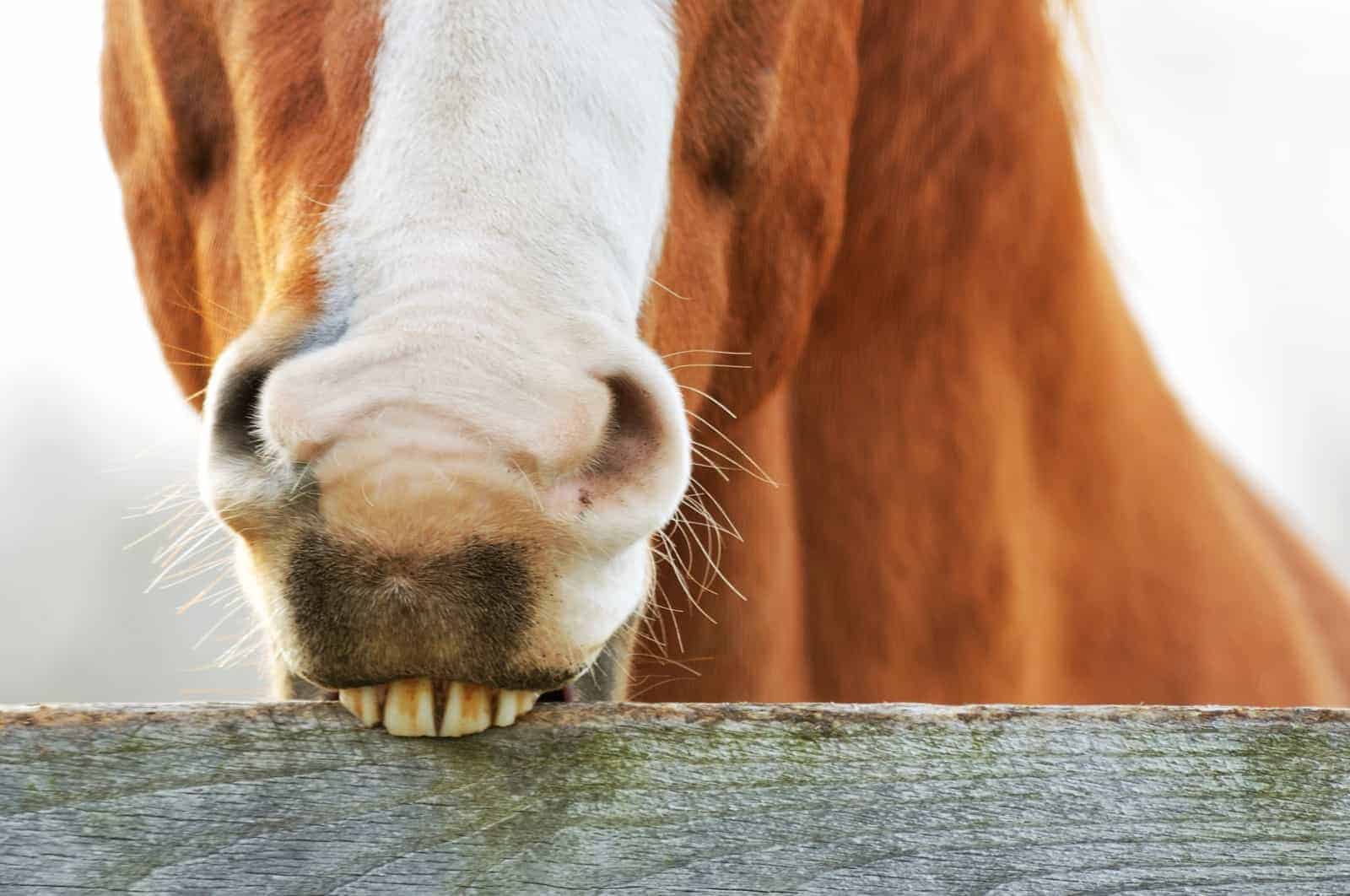
Some horses suffer from stable vice at some point. There are many different stable vices. One of these is crib-biting or air-sucking. In this stable vice, a horse will sink its teeth into something and suck in air. Improving your horse’s life will often reduce stable vice.

Why Do Horses Start Crib-Biting?

There are horses that spend as much as 50 percent of their daytime crib-biting. It is almost always due to the way horses are kept. It is a myth that horses learn this behavior from other horses.

When a lot of horses do this in a certain location, it’s just a sign that something is seriously wrong with the way of keeping horses!crib-biting.
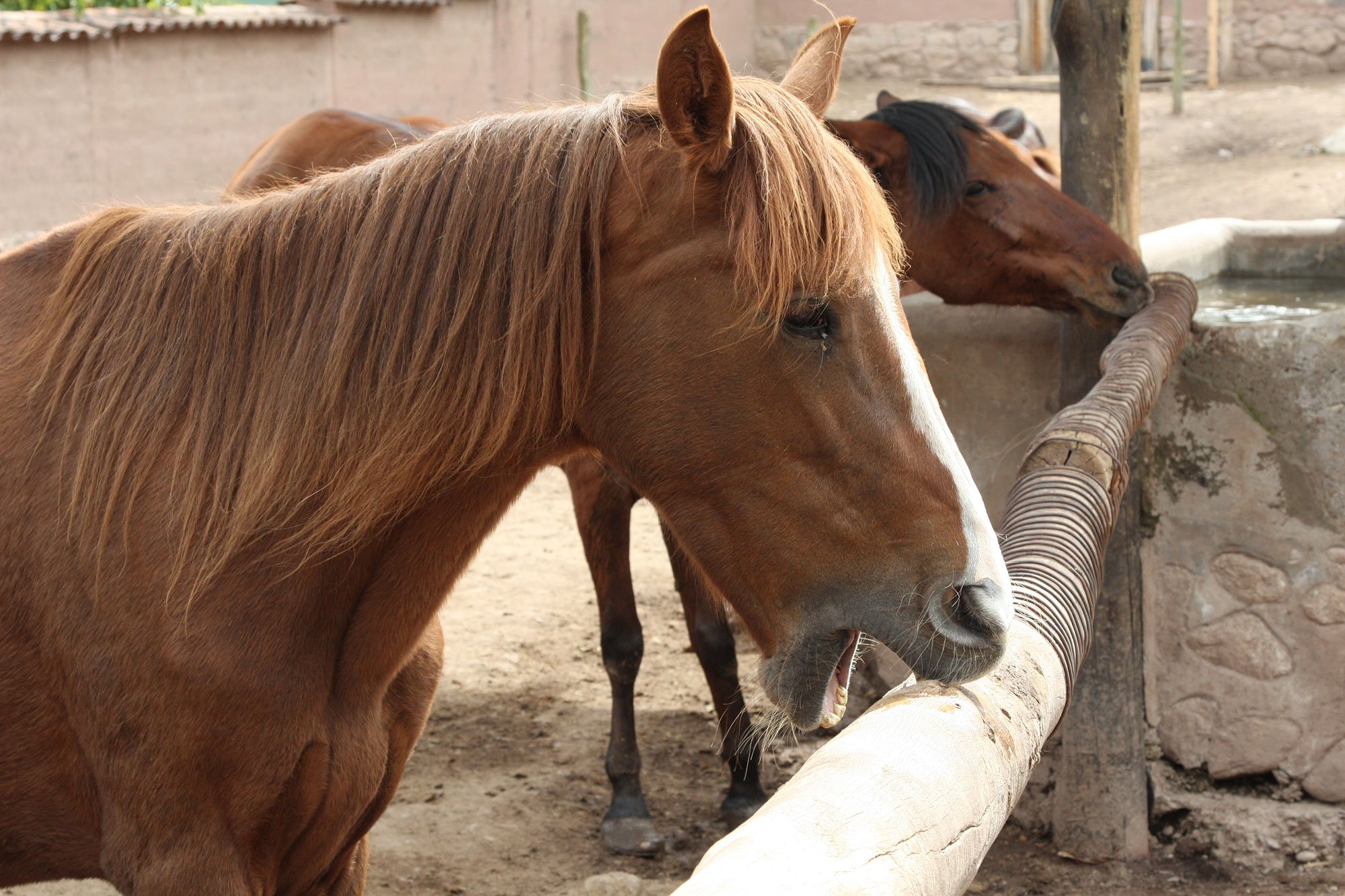
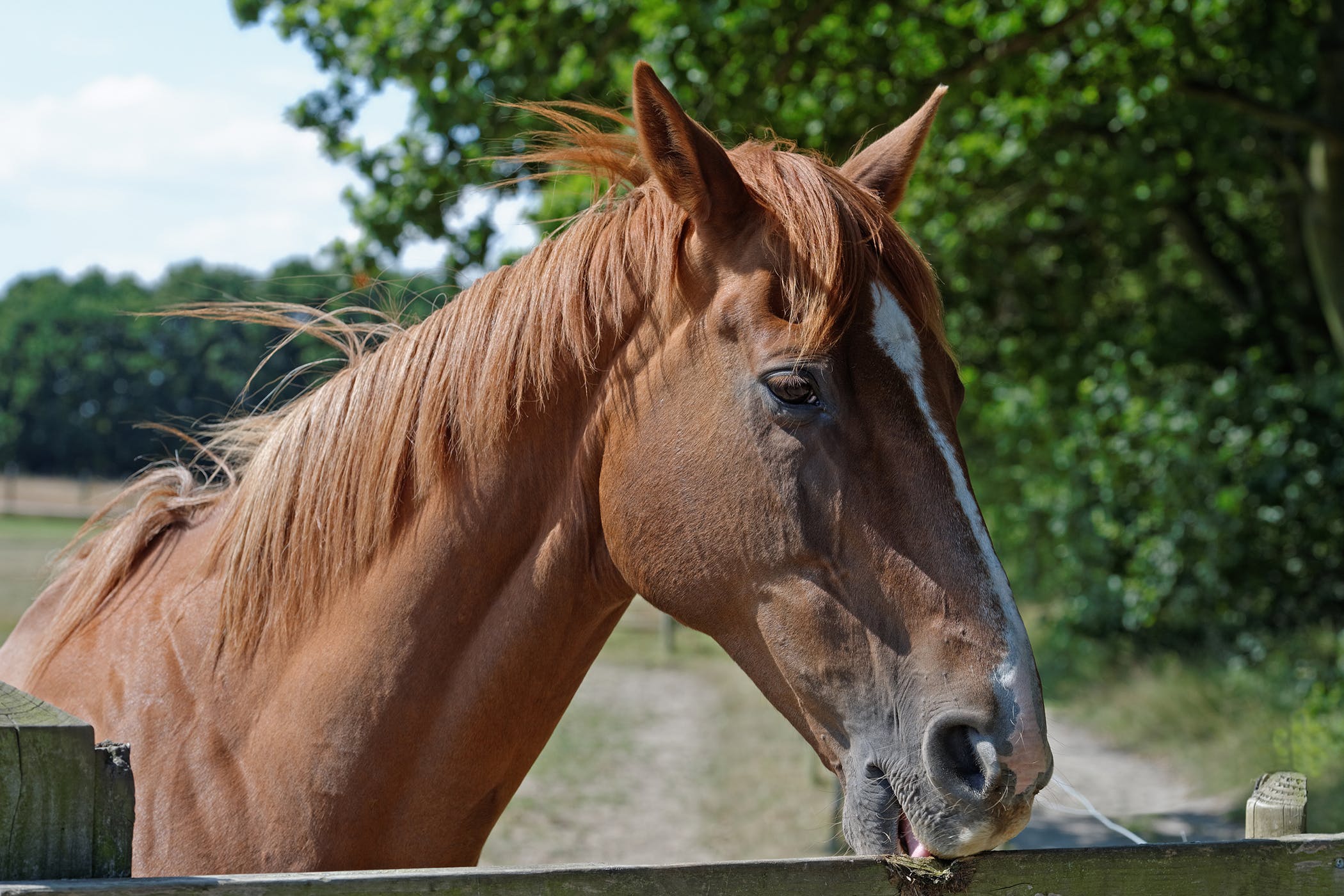
Cribbing means that a horse clings to something with its teeth. This can be a feeding trough, a stable door, or a fence from the meadow. He creates a vacuum in the back of his throat and then let’s go. During this action, a rasping sound is produced.

Reading Suggestions: 501+ Horse Names For Male and Female Horse Names

Research

Research has shown that horses do not swallow large amounts of air while crib-biting. It does not cause problems such as colic or other digestive problems. In fact, it is exactly the opposite. The horses start to crib because they are stressed or bored. The stress does cause digestive problems, stomach ulcers, and colic.

There are also several studies on the feeling that is evoked in the horse when he cribs bites. Among other things, the substances endorphins and encephalin are released, these substances can be compared to a type of drug.

The substances provide a stress reduction and a feeling of happiness. These substances also reduce the possible pain of the horse. Every horse will express its stress differently, which is why not all horses will crib. Warmbloods and Thoroughbreds in particular, which are easily tense and highly sensitive, regularly engage in crib-biting.

How Do I Get My Horse To Stop Crib-Biting?

The answer most often given is: ‘you can’t stop it. Even if you completely change your horse’s situation and he is no longer stressed, he may still continue to crib. Horses continue to have the urge to do this, they have become addicted to endorphins, as it were.

Another explanation is that deeply ingrained habits cannot disappear overnight. It doesn’t have to be from the stress, the horse just doesn’t know any better. It is important that you investigate the cause of the crib-biting.crib-biting.
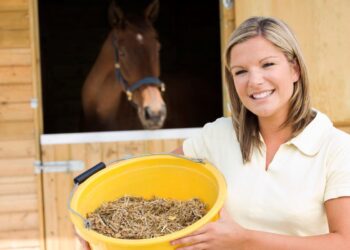
Even if your horse continues with it, his life will be improved because the stress disappears. To make your horse happy, you must ensure daily grazing and a constant supply of roughage. For example, you can put your horse on straw instead of sawdust, so your horse has something to nibble on all day long.

You also have to make sure that your horse has enough variety. For example, go for a ride outside one day, jump the next and let him do the groundwork in the box the next day. It is also very important that your horse comes into sufficient contact with peers

Reading Suggestion: 6 Best Horse Clippers For Body Clipping
crib-biting.

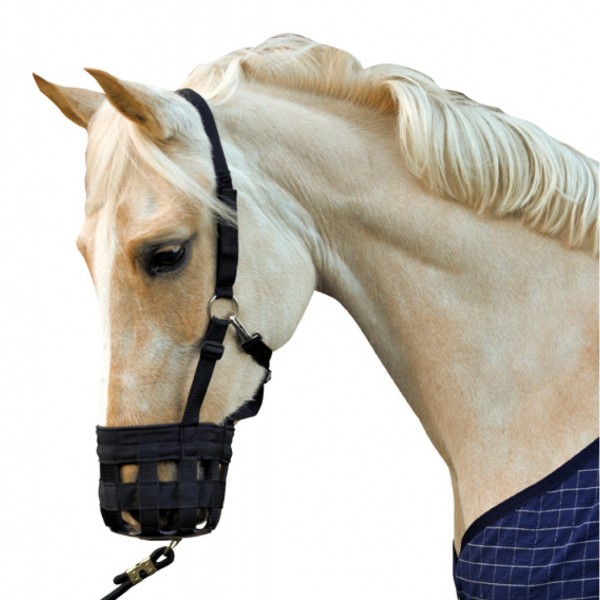
Throat Strap

Some people use a throatlash with a metal part when they want to stop the crib-biting. As a result, the horse can no longer bend its neck so much that it can crib bite. In most cases, this is a very bad solution! The horse can no longer express its stress by crib-biting and will therefore look for another way.

Lubricate

It is also an option to smear something on the feeder or on the fence. This makes the feeder less attractive for the horse to put his teeth on. One of the substances you can use is crib ox. Cribox is an anti-bite paste that prevents horses from nibbling on their stable.

Tags: Backhorse
Julia Henriques

Julia Henriques

Julia Henriques, a pet blogger with 5 years of experience, retired from a 35-year banking career to become the editor of the Pet Rescue Blog in 2019. She's passionate about her pet dog Joy, whom she's had since 2016, and now shares her expertise on pet care and natural healthcare options. Julia resides in Wolverhampton with her partner Marc and their rescued Samoyed, Tarka.

Related Posts

horses
Horse

Keep your horses healthy and Protect flys insects in the summer

52
Sweet Feed for Horses
Horse

Sweet Feed for Horses 101: A Beginner’s Guide to Better Nutrition!

52
stable
Horse

Everything About The Stable Of Your Horse

55
Next Post
Behavioral Problems in Horses

Behavioral Problems in Horses

trimming wing

Prevent flying in chickens by trimming wings

Leave a Reply Cancel reply

Your email address will not be published. Required fields are marked *

I agree to the Terms & Conditions and Privacy Policy.

ADVERTISEMENT

Categories

  • Behavior (15)
  • Birds (30)
  • Cat Breeds (18)
  • Cat Names (2)
  • Cats (116)
  • CBD (20)
  • Chicken (24)
  • Dog Breed (48)
  • Dog Names (5)
  • Dog Park (3)
  • Dogs (307)
  • Events (3)
  • Facts (5)
  • Featured (60)
  • Fish (24)
  • Fitness (6)
  • Food (44)
  • Goat (3)
  • Grooming (15)
  • Hamster (2)
  • Health (100)
  • Horse (42)
  • Infographics (2)
  • Insects (10)
  • Insurance (10)
  • List (3)
  • Mixed Dog Breeds (14)
  • NEWS (6)
  • Our Pet (5)
  • Pet Accessories (5)
  • Pet Adoption (3)
  • Pet Names (4)
  • Pets (210)
  • Rabbits (21)
  • Reptile (9)
  • Reviews (22)
  • Rodents (9)
  • Senior Dog (1)
  • Training (31)
  • Travel (5)
  • Vets (6)
  • Video (8)
  • Wild (5)
Facebook Twitter Pinterest Instagram LinkedIn Youtube
Pet Rescue Blog Logo

Pet Rescue Blog is a pet blog dedicated to educating and inspiring readers about pet adoption and rescue. It features a variety of content, including heartwarming adoption stories, expert advice on pet care, and news about animal welfare issues.

Follow Us on Social Media

Categories

  • Behavior
  • Birds
  • Cat Breeds
  • Cat Names
  • Cats
  • CBD
  • Chicken
  • Dog Breed
  • Dog Names
  • Dog Park
  • Dogs
  • Events
  • Facts
  • Featured
  • Fish
  • Fitness
  • Food
  • Goat
  • Grooming
  • Hamster
  • Health
  • Horse
  • Infographics
  • Insects
  • Insurance
  • List
  • Mixed Dog Breeds
  • NEWS
  • Our Pet
  • Pet Accessories
  • Pet Adoption
  • Pet Names
  • Pets
  • Rabbits
  • Reptile
  • Reviews
  • Rodents
  • Senior Dog
  • Training
  • Travel
  • Vets
  • Video
  • Wild

Navigation

  • About Us
  • Contact Us
  • Disclaimer
  • Adopt a Pet
  • Privacy Policy
  • Cookie Policy
  • HTML Sitemap

© 2019 - 26 Pet Rescue Blog - Your Source for Pet Rescue Stories and Solutions - Privacy Policy | Cookie Policy

No Result
View All Result
  • Pets
  • Mixed Dog Breeds
  • Cat Breeds
  • Food
  • Fitness
  • Pet Care
    • Training
    • Health
  • Reviews
    • List
  • Shop
  • More
    • Pet Names
      • Boy Cat Names
      • Female Cat Names
      • Horse Names
      • Bird Names
    • Coupons
    • Infographics
    • Video

© 2019 - 26 Pet Rescue Blog - Your Source for Pet Rescue Stories and Solutions - Privacy Policy | Cookie Policy

This website uses cookies. By continuing to use this website you are giving consent to cookies being used. Visit our Privacy and Cookie Policy.